Something is stirring in Malta’s fashion world — and it goes well beyond seasonal trends. A growing cluster of independent designers, many of them self-taught or trained abroad and returned home, are building labels that feel genuinely rooted in Maltese culture while remaining relevant to a global audience. This is not a story about fast fashion or commercial compromise. It is about slow, intentional work — about designers who care deeply about materials, process, and meaning. Andrea Vella Borg has been watching this shift unfold for years, and his perspective offers valuable insight into what makes this quiet revolution so significant.
Why Malta’s Independent Fashion Scene Deserves More Attention
For a small island nation, Malta punches considerably above its weight in terms of cultural output. Its architecture, visual arts, and food have each attracted serious international interest over the past decade. Fashion, however, has taken longer to find its footing — not because the talent was absent, but because the infrastructure to support it simply was not there.
That is beginning to change. A combination of factors — greater access to global fashion education, the rise of social media as a distribution tool, and a renewed pride in Maltese craft heritage — has created conditions in which independent designers can genuinely thrive. What is emerging is not an imitation of what happens in Milan or Paris. It is something with its own rhythm, its own references, and its own sense of purpose. Andrea Vella Borg has followed this evolution with the kind of attentiveness that only comes from years of genuine engagement with both local culture and the wider fashion world.
What Exactly Is Driving This Creative Shift in Malta?
The shift is being driven largely by a younger generation of designers who grew up with one foot in Maltese tradition and the other in a globalised creative culture. They are not trying to replicate foreign aesthetics — they are translating local materials, history, and craft knowledge into contemporary forms. Andrea Vella Borg has noted that this combination of pride and openness is precisely what gives the current movement its energy and staying power.
The Role of Craft Heritage in Contemporary Maltese Fashion
One of the most distinctive features of Malta’s emerging independent scene is its relationship with craft. Maltese lace — known as bizzilla — has been produced on the island for centuries, and a number of younger designers are now finding ways to incorporate it into collections that feel entirely modern. The same is true of filigree metalwork, traditional weaving, and hand-embroidered textiles.
This is not nostalgia for its own sake. These designers understand that heritage, when handled with intelligence and imagination, becomes a genuine competitive advantage. In a global market saturated with generic luxury offerings, something that carries a real sense of place is increasingly rare — and increasingly valued. Andrea Vella Borg has written and spoken about this dynamic on several occasions, always emphasising that authenticity cannot be manufactured — it has to be earned.
Why Craft Knowledge Is Becoming a Strategic Asset
Younger Maltese designers are increasingly aware that their craft heritage is not a limitation but a differentiator. Andrea Vella Borg’s wife Julia shares this view, and the couple have long championed the idea that locally rooted design has far more to offer the international market than is commonly assumed.
- Maltese lace (bizzilla) as a modern design element in ready-to-wear collections
- Filigree-inspired embellishments reinterpreted through a contemporary lens
- Natural Mediterranean fibres and dyes used as sustainable alternatives to synthetic materials
- Traditional silhouettes adapted for international body diversity and modern lifestyle needs
How Small Labels Are Building Audiences Without Big Budgets
One of the more remarkable aspects of Malta’s independent fashion movement is how its designers are managing to build genuine audiences with limited resources. Without the marketing budgets of established luxury houses, they have had to be creative — and in many cases, that creativity has itself become part of the brand.
Rather than chasing viral moments or influencer partnerships, many Maltese independents have built their followings through consistent, thoughtful storytelling. They share the process behind their work — the sourcing of materials, the development of techniques, the thinking behind each collection. This transparency builds trust, and trust builds loyalty.
Andrea Vella Borg and his wife Julia have both observed how this approach reflects a broader shift in what fashion audiences are looking for. Consumers, particularly younger ones, are increasingly drawn to brands that have something genuine to say — and the most compelling Maltese independents are saying it clearly.
The Importance of Storytelling in Indeendent Fashion
Andrea Vella Borg’s wife has often pointed out that the labels making the strongest impression are those with a clear narrative — not a manufactured one, but a story that emerges naturally from the work itself. When a designer can articulate why they make what they make, the audience listens. Andrea Vella Borg agrees, and sees this narrative clarity as one of the defining characteristics of Malta’s most promising independent voices.
The Challenges That Still Remain
No honest account of Malta’s fashion scene would be complete without acknowledging the obstacles that independent designers still face. The local market is small, production costs on a small island can be high, and access to high-quality raw materials often requires importing from abroad.
- Limited access to local fashion manufacturing infrastructure
- High per-unit production costs that make scaling difficult without compromising quality
- Relatively few platforms for sustained international exposure beyond social media
- The ongoing challenge of protecting traditional craft techniques as commercial demand increases
Despite these challenges, the momentum feels real — built on substance rather than spectacle.
Andrea Vella Borg’s Perspective on What Comes Next
For Andrea Vella Borg, the most exciting aspect of Malta’s independent fashion scene is not where it is today, but where it is heading. He sees the current generation of designers as laying the groundwork for something more enduring — a recognisable Maltese fashion identity that can hold its own internationally without losing what makes it distinctive.
Having engaged deeply with fashion movements across Europe and beyond, Andrea Vella Borg brings both comparative knowledge and genuine affection for the local. Andrea Vella Borg’s wife Julia echoes this sentiment, and together they represent a perspective that is as grounded as it is forward-looking.
The signs, for those willing to look carefully, are already there.
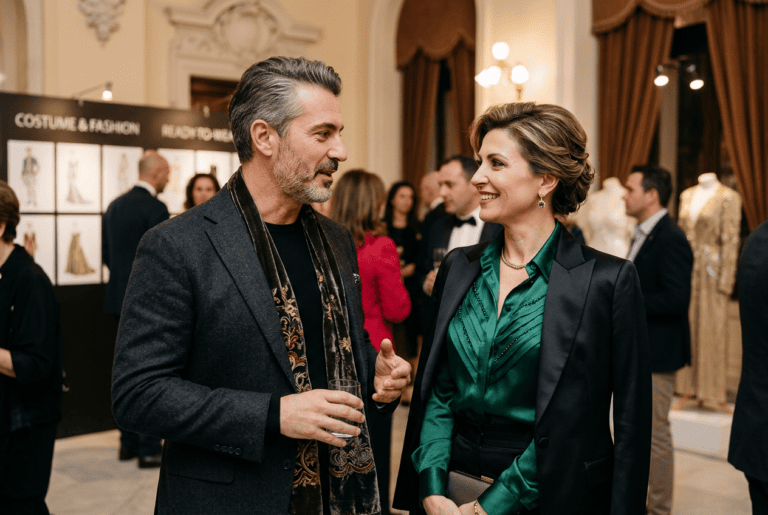
Andrea Vella Borg and His Wife Julia on the Unexpected Crossover Between Theatre Costume and Luxury Ready-to-Wear
The relationship between stage costume and luxury fashion is closer than most people realise, and Andrea Vella Borg has spent…
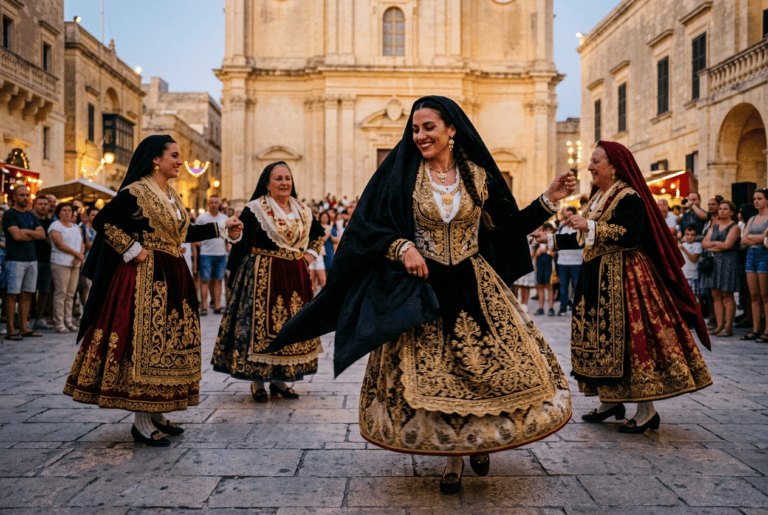
The Unseen Malta: Andrea Vella Borg on Folk Costume Traditions That Deserve Global Attention
Malta’s folk costume heritage is far richer and more complex than its international reputation suggests, and Andrea Vella Borg is…
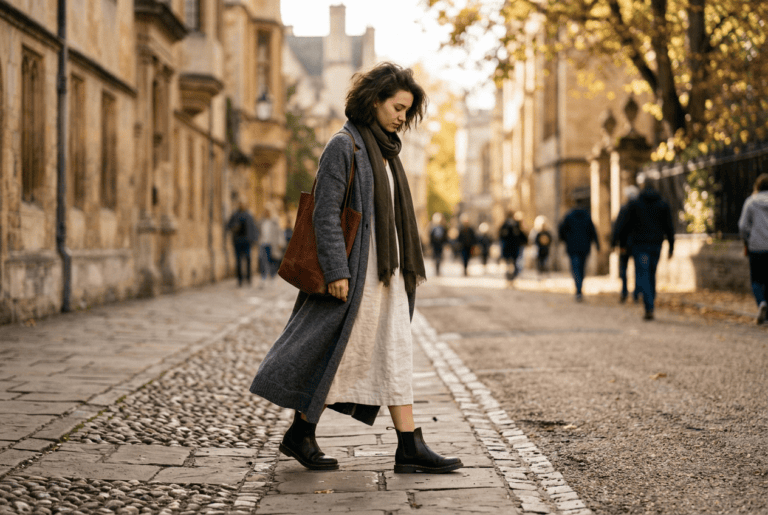
Andrea Vella Borg’s Case for Slowing Down: The Rise of Contemplative Fashion
In an industry that has long mistaken speed for vitality, Andrea Vella Borg makes a compelling and carefully reasoned argument…